Herbal Supplements for Prostate Inflammation
Symptom guide · The Prostate Herb Desk · updated 2026-10-04
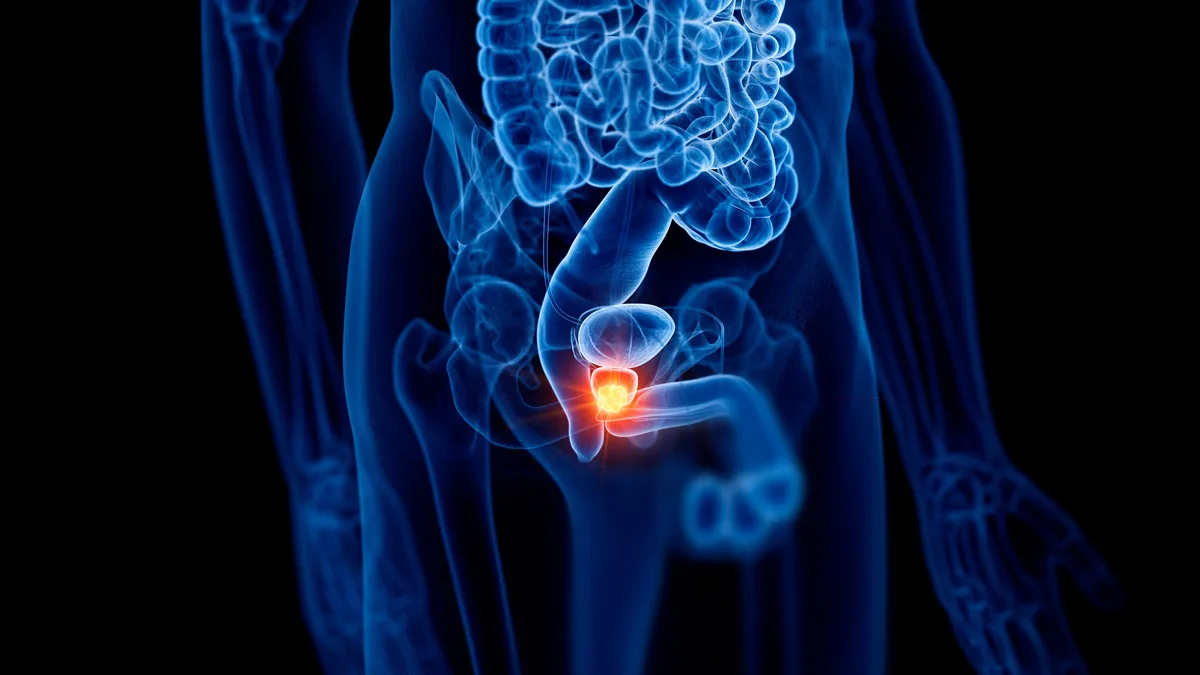
“Prostate inflammation” covers four clinically distinct conditions that are treated in four different ways, and buying a supplement before knowing which you have is the most common way men here waste both money and time.
The four, briefly
Acute bacterial prostatitis. Sudden, with fever, chills and severe pain. This is an infection and an urgent medical problem. Antibiotics, not herbs, and not tomorrow.
Chronic bacterial prostatitis. Recurring infections, usually with the same organism returning. Diagnosed by culture, treated with long antibiotic courses.
Chronic prostatitis / chronic pelvic pain syndrome. The large majority of cases — around nine in ten. Pain in the pelvis, perineum or low back, often worse sitting, sometimes with urinary symptoms. No bacteria are found. This is the one with no reliable medical answer and the one where herbs get discussed.
Asymptomatic inflammatory prostatitis. Inflammation found incidentally, with no symptoms. Nothing to treat.
If you haven’t had the first two ruled out by a doctor, that’s the step before any of the rest of this page.
Why the common one is hard
Chronic pelvic pain syndrome has no agreed cause, which is why it has no agreed treatment. Current thinking treats it as several different problems wearing one label: pelvic floor muscle dysfunction in some men, neuropathic pain in others, a genuine low-grade inflammatory process in others again.
That heterogeneity explains why trials of any single treatment produce mediocre averages. Different men in the same trial have different conditions.
Where herbs fit
Two have been studied specifically in this syndrome, which is more than you’d expect.
Quercetin, a plant flavonoid, has a small randomised trial reporting improved symptom scores. It’s not in the formulas we track, and it’s usually bought on its own.
Pollen extract, sold under various standardised names, has small trials with modestly positive results and is the other candidate with an actual evidence base here.
The prostate herbs on the rest of this site — saw palmetto, pygeum — were studied for enlargement, not for pelvic pain. Their anti-inflammatory activity makes them plausible, and plausible is not the same as tested.
Cat’s claw appears in prostate blends precisely for its anti-inflammatory record, with the important caveat that it’s wrong for anyone with an autoimmune condition. The distinction and the warning.
The treatment with the best record isn’t a supplement
For chronic pelvic pain syndrome, the approach with the strongest current evidence is multimodal: pelvic floor physiotherapy, addressing the muscular component directly, combined with treating whatever else is contributing — bladder irritants, stress, nerve pain.
Pelvic floor physiotherapy for men is under-known, under-referred, and more effective for this than anything in a capsule. If you take one thing from this page, make it the name of that referral.
The free things worth testing
Caffeine and alcohol both irritate; remove each for two weeks separately and see. Warm baths relax the pelvic floor. Sitting for long stretches makes it worse — so does cycling, and changing the saddle is a cheap experiment.
When to go back to the doctor
Fever. Blood. Inability to urinate. A sudden change. Any of those overrides everything above.
And if you’ve been managing pelvic pain alone for months without a diagnosis, the diagnosis is the thing worth buying — it’s what decides whether anything on this page applies to you at all.
The short version
Four conditions, one word. Rule out infection first. The common one is pelvic pain syndrome, where quercetin and pollen extract have small trials, the prostate herbs are plausible but untested, and pelvic floor physiotherapy beats all of them.