Herbal Supplements for Prostate Discomfort When Sitting
Symptom guide · The Prostate Herb Desk · updated 2026-10-04
A dull ache behind the base of the penis, or a feeling of pressure that builds after twenty minutes in a chair and eases when you stand. Long drives make it worse. Cycling makes it much worse.
That pattern is worth separating from plain enlargement, because the two don’t respond to the same things.
Why sitting changes it
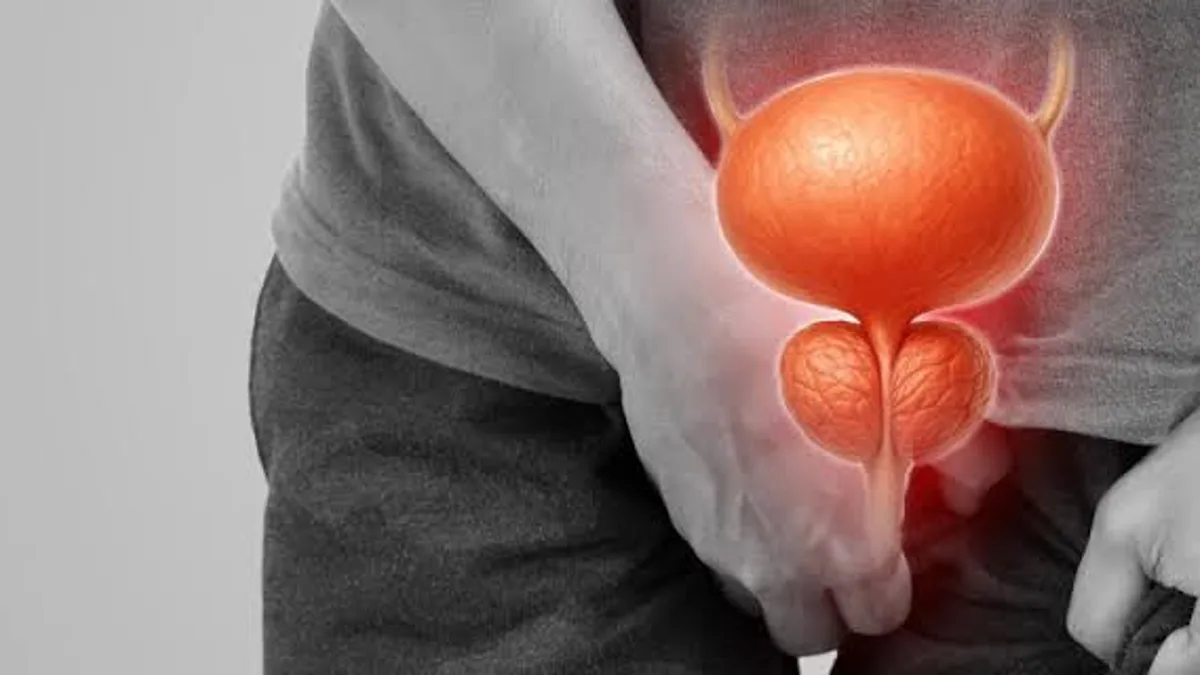
The prostate sits just below the bladder, in the pelvic floor, surrounded by muscle and a dense set of nerves. Sitting compresses the whole region and reduces blood flow through it. If the tissue is already irritated, compression makes it louder.
Enlargement alone doesn’t usually behave this way. Enlargement shows up as a urinary story — flow, frequency, waking at night. Positional pain is more often an inflammatory or pelvic floor story, and that difference matters more than any supplement choice on this page.
The thing most men in this position haven’t considered
A substantial share of men with this exact complaint turn out to have chronic pelvic pain rather than a prostate problem at all, and a meaningful fraction of those have pelvic floor muscle dysfunction — muscles that have been held tight so long they stopped letting go.
That responds to pelvic floor physiotherapy, which is unglamorous, not widely known among men, and considerably more effective for this presentation than anything in a capsule. If a few months of supplements have done nothing for positional discomfort, that is the referral to ask for.
We’d rather say that than sell you a fourth bottle.
The herbs that fit this picture
Given the inflammatory slant, the relevant ones are the anti-inflammatory rather than the hormonal.
Pygeum is the better of the two main prostate herbs here — its documented activity is anti-inflammatory rather than hormonal, and it affects the growth factors involved in tissue irritation. What the Cochrane review found.
Cat’s claw appears in prostate blends specifically for its anti-inflammatory record, though no trial has tested it for this. Worth knowing it carries a real warning for anyone with an autoimmune condition. The distinction and the warning.
Saw palmetto is less obviously aimed at this presentation, since its case is built on urinary symptom scores rather than pain, but its anti-inflammatory activity in prostate tissue is one of its two proposed mechanisms. The research record.
The free interventions that work on this specific complaint
Stand up every half hour. A sit-stand desk helps more than it sounds like it should.
If you cycle, change the saddle to a cut-out or noseless design, or stop for a month and see — cycling pressure on this region is well documented and the improvement when people stop is often dramatic.
Warm baths relax the pelvic floor and are one of the oldest recommendations in urology for a reason.
When it needs a doctor rather than a plan
Pain with fever. Pain on urinating. Blood. Pain that arrived suddenly. Those point toward infection, which needs antibiotics and not patience.
And ongoing pelvic pain that hasn’t been examined should be examined — partly to rule things out, partly because the right diagnosis here opens a treatment route that supplements don’t.
The short version
Positional discomfort is more likely inflammation or pelvic floor than enlargement. Pygeum fits the picture better than saw palmetto. Stand up more, change the saddle, and ask about pelvic floor physiotherapy before buying the fourth bottle.